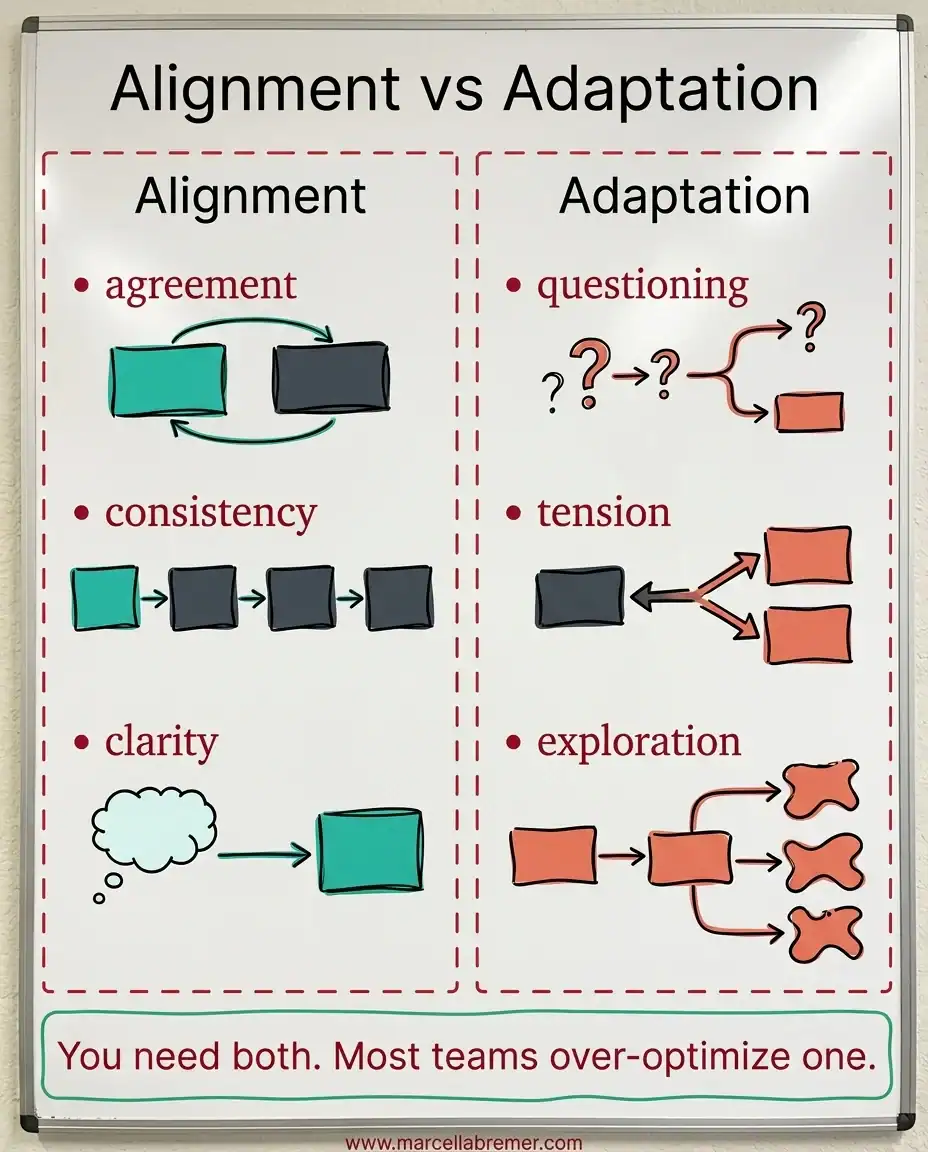
Alignment can kill adaptation. Many leadership teams want more of it. More agreement. More consistency. More clarity. It feels like progress. But too much alignment creates something else: silence. Because when everyone is aligned, fewer questions get asked, fewer doubts get raised, fewer alternatives get explored. Not because people don’t...
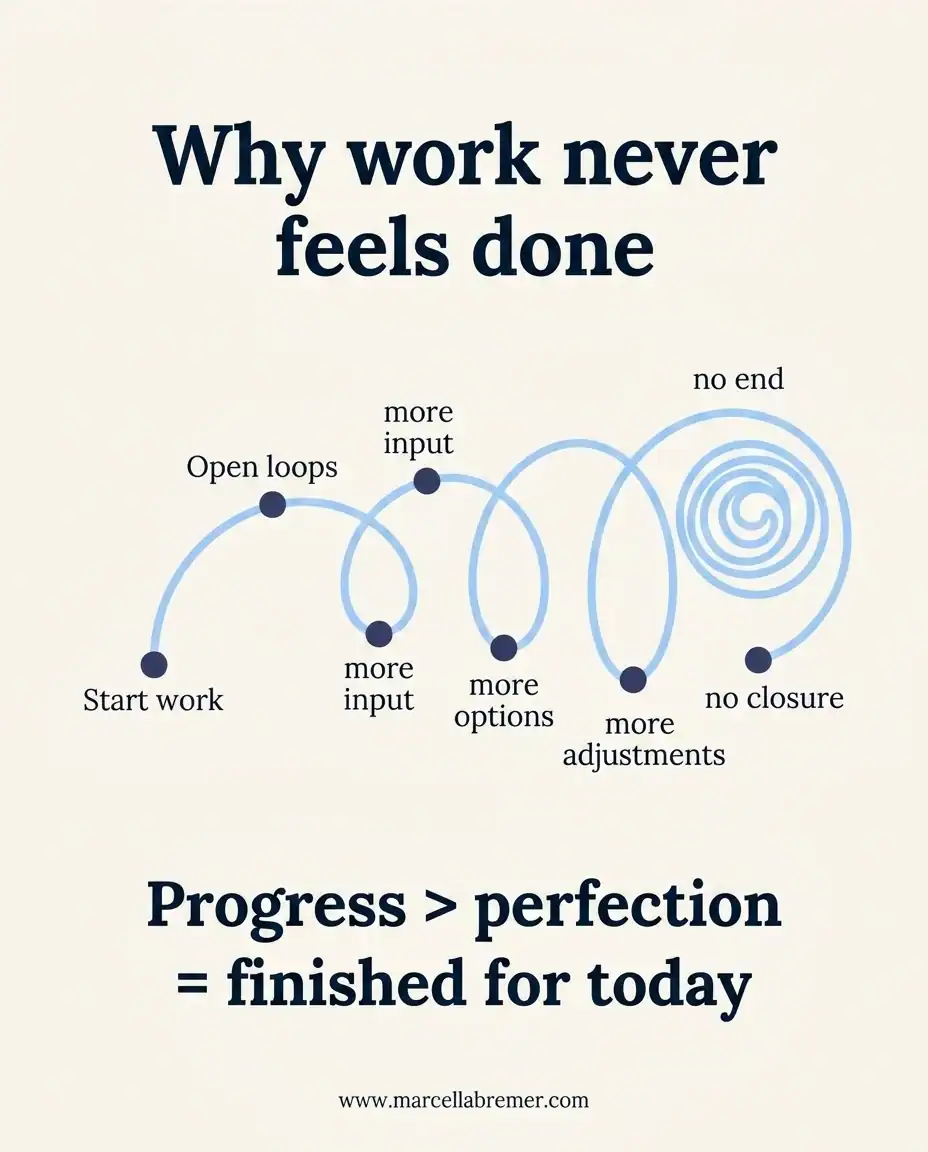
Work doesn’t feel “finished” anymore. There’s always more input possible, other angles to consider, changes that demand updates. The world has become more fluid. More options. More interdependencies. More moving parts. So closure becomes rare. I notice it in myself. Tasks done. But no real sense of: “This is complete,...
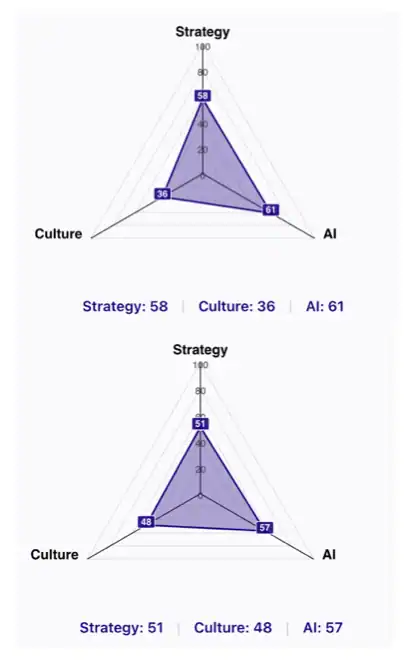
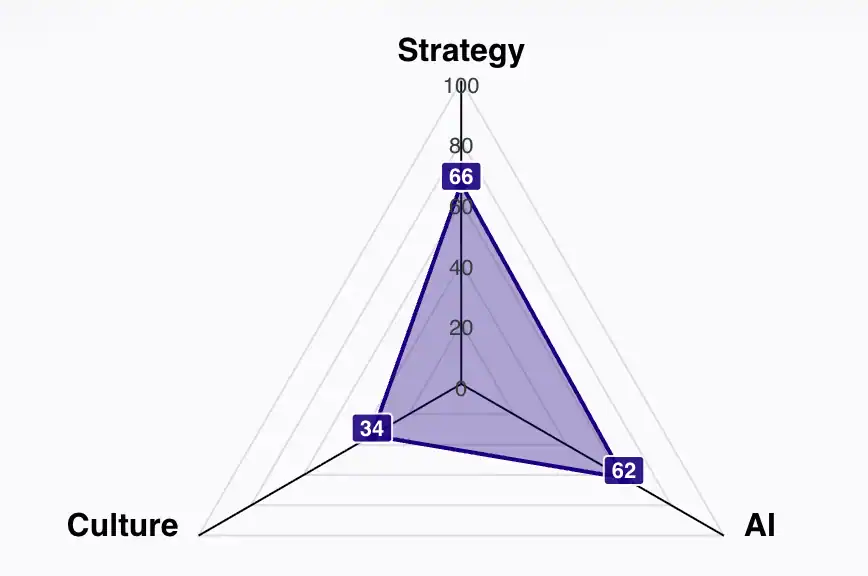
Nobody scores high on Strategy, Culture, and AI Readiness. That’s the pattern we’ve seen since launching the SCAI Profile. The SCAI assessment measures how Strategy, Culture, and AI Readiness interact inside organizations. So far, not one company scores high across all three pillars. Most companies have one pillar clearly lagging...
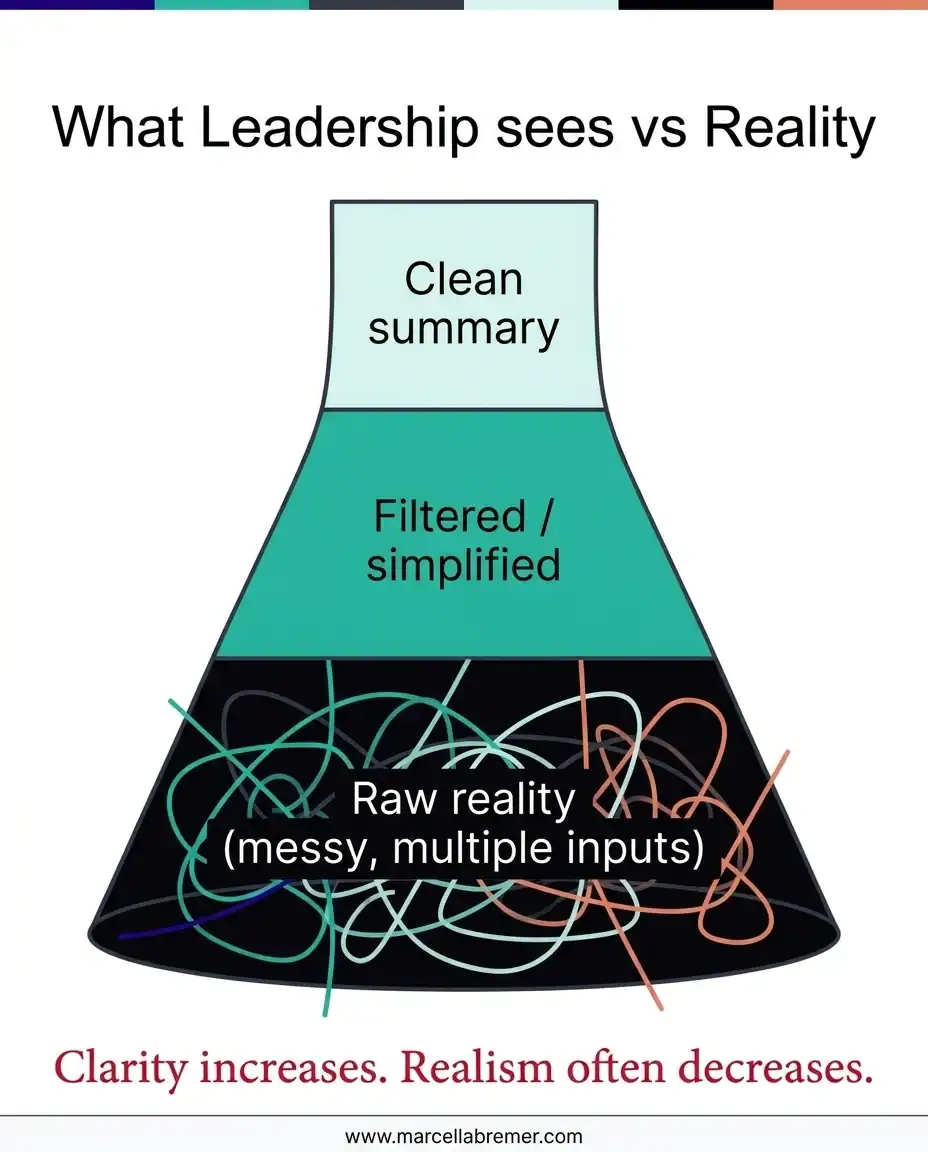
Most leaders think they need more information. They don’t. They need less filtered information. The problem isn’t data. It’s what happens to it on the way up. By the time information reaches a leadership team, it’s been simplified, softened, and made presentable. Uncertainty disappears. Tension gets removed. Concerns become “manageable...
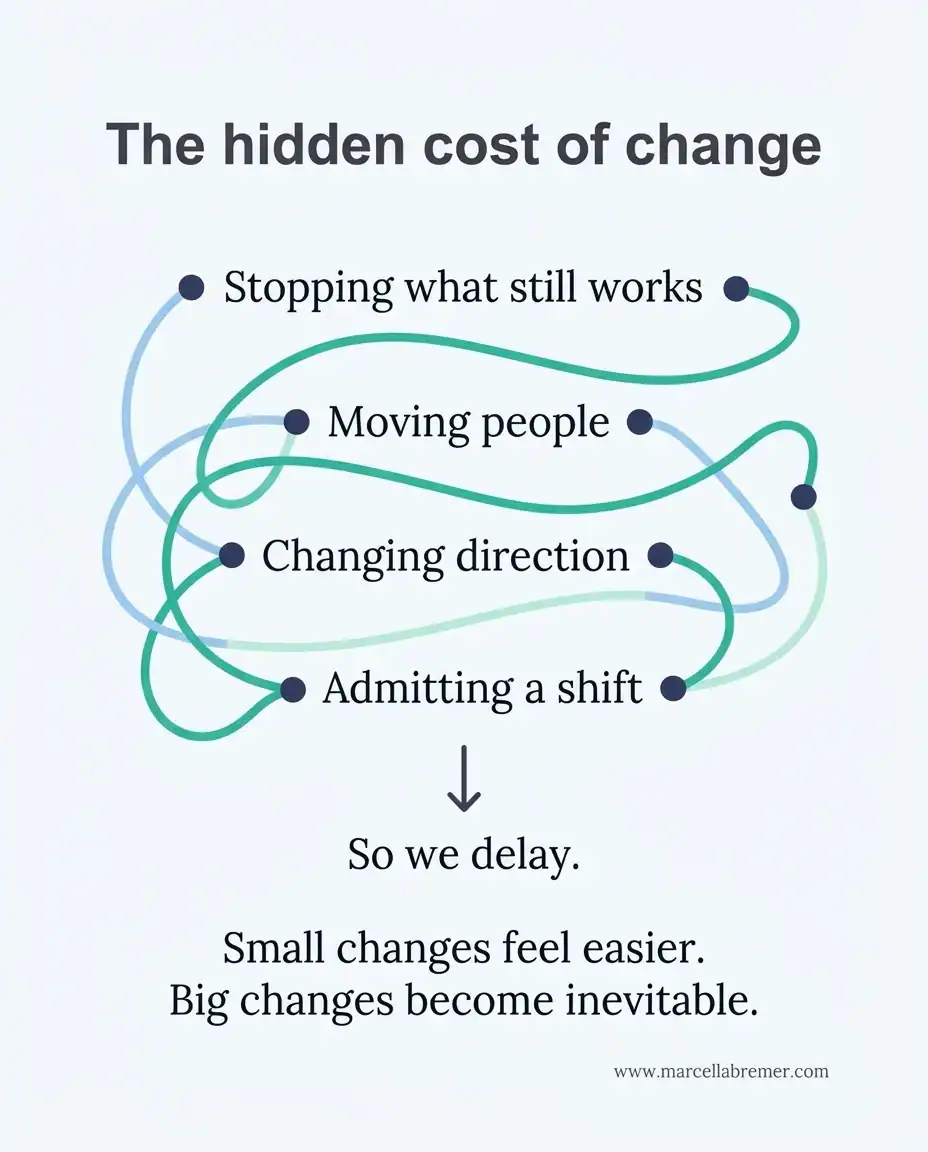
Your strategy isn’t slow because people resist the change itself. It’s slow because changing it has a cost today. While the benefits of the change may show up tomorrow or later. Every real strategic shift means stopping something that still works (for now). Reallocating people. Admitting a previous decision no...
Imagine. You’ve spent weeks updating your strategy for the age of AI. Your team explored multiple scenarios, not just for AI, but also for other future possibilities. What if our supply chain becomes unreliable? What if extreme weather damages our building, and the power grid is unreliable? What if the...
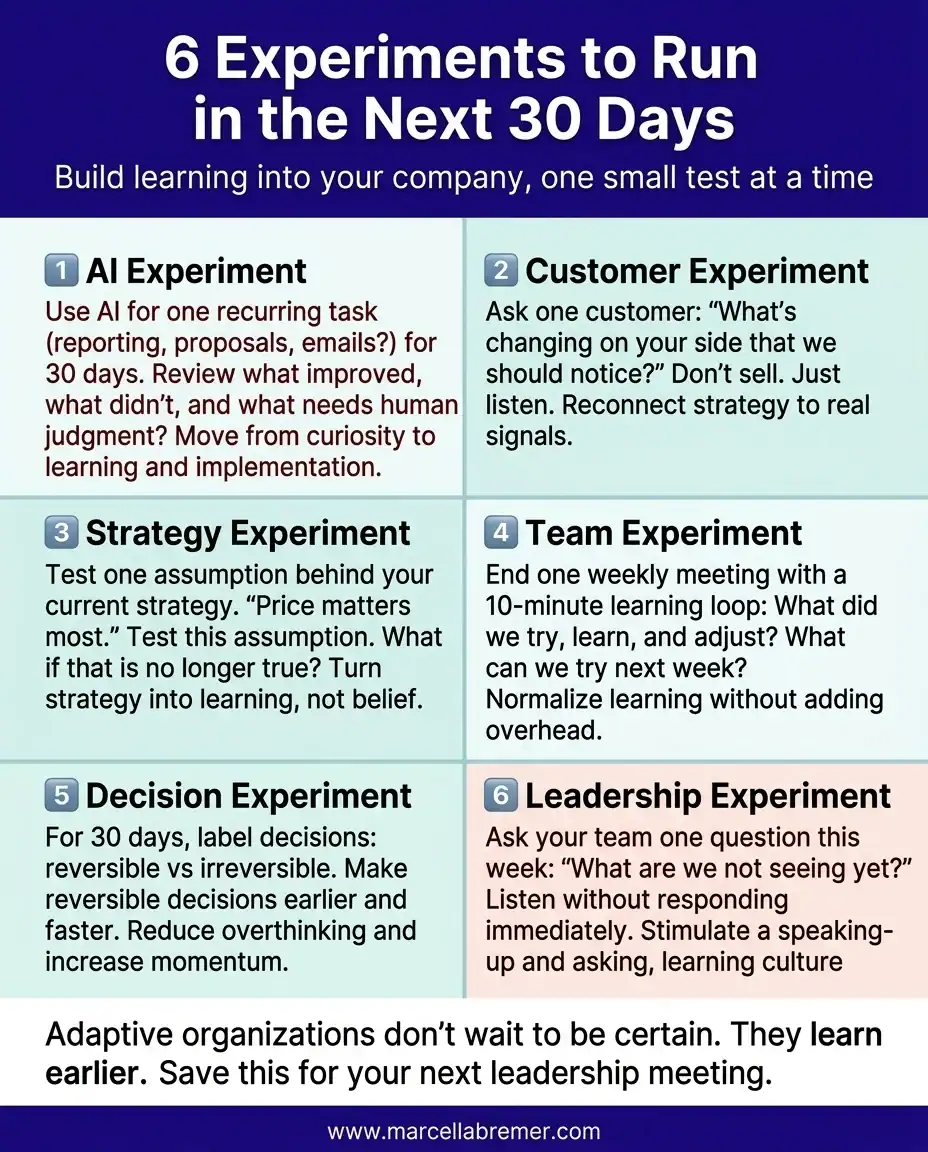
Many companies know they need to become more adaptive in our complex, unpredictable, AI-accelerated world. But very few run experiments. Big restructuring or change programs might not be necessary. Thorough research and analysis don’t work anymore. That worked well when industries, markets, supply chains, and customers (and any other system)...
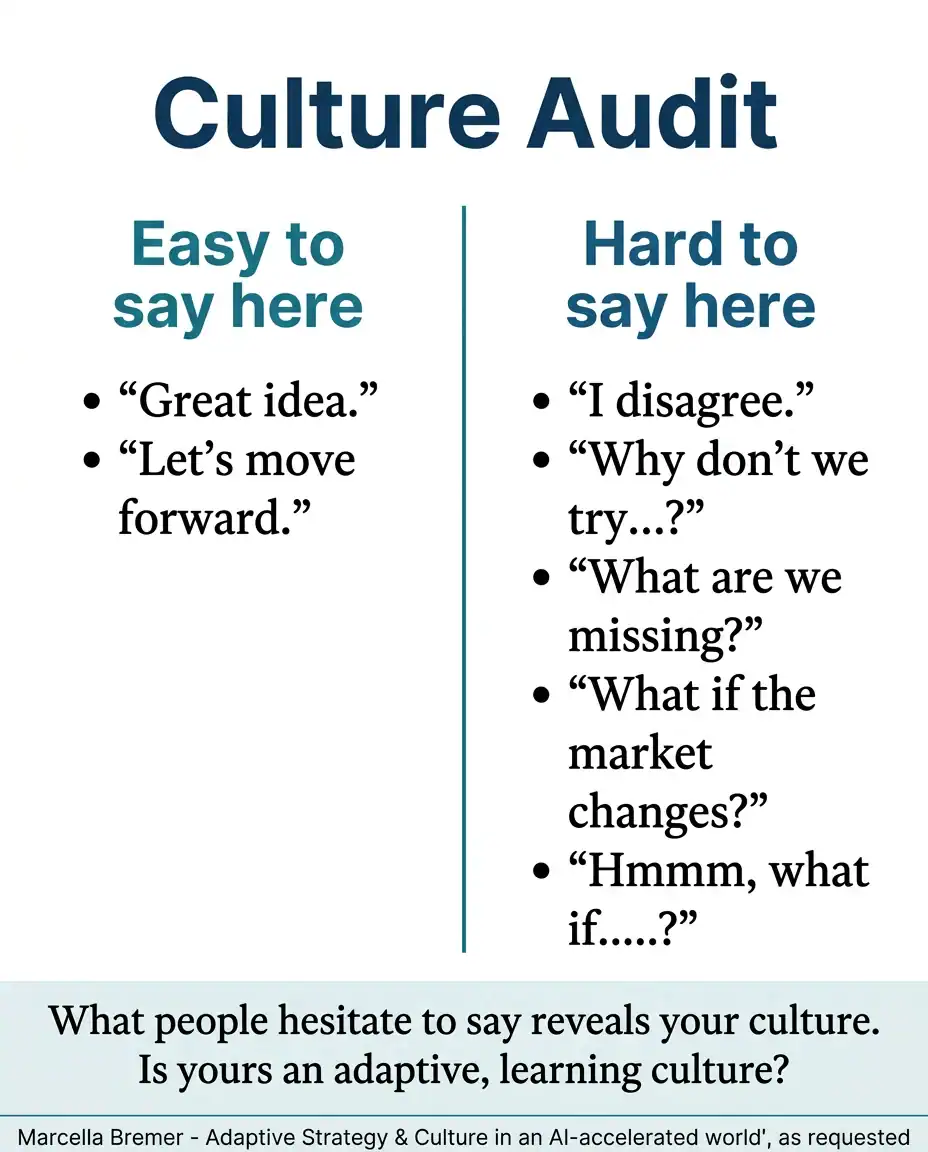
In your last team meeting, what did you almost say, but didn’t? That hesitation is information. Most teams think they have alignment. What they often have is silence. And silence is not agreement. It’s a signal that something in the culture makes honesty feel too expensive. Safe cultures welcome disagreement...
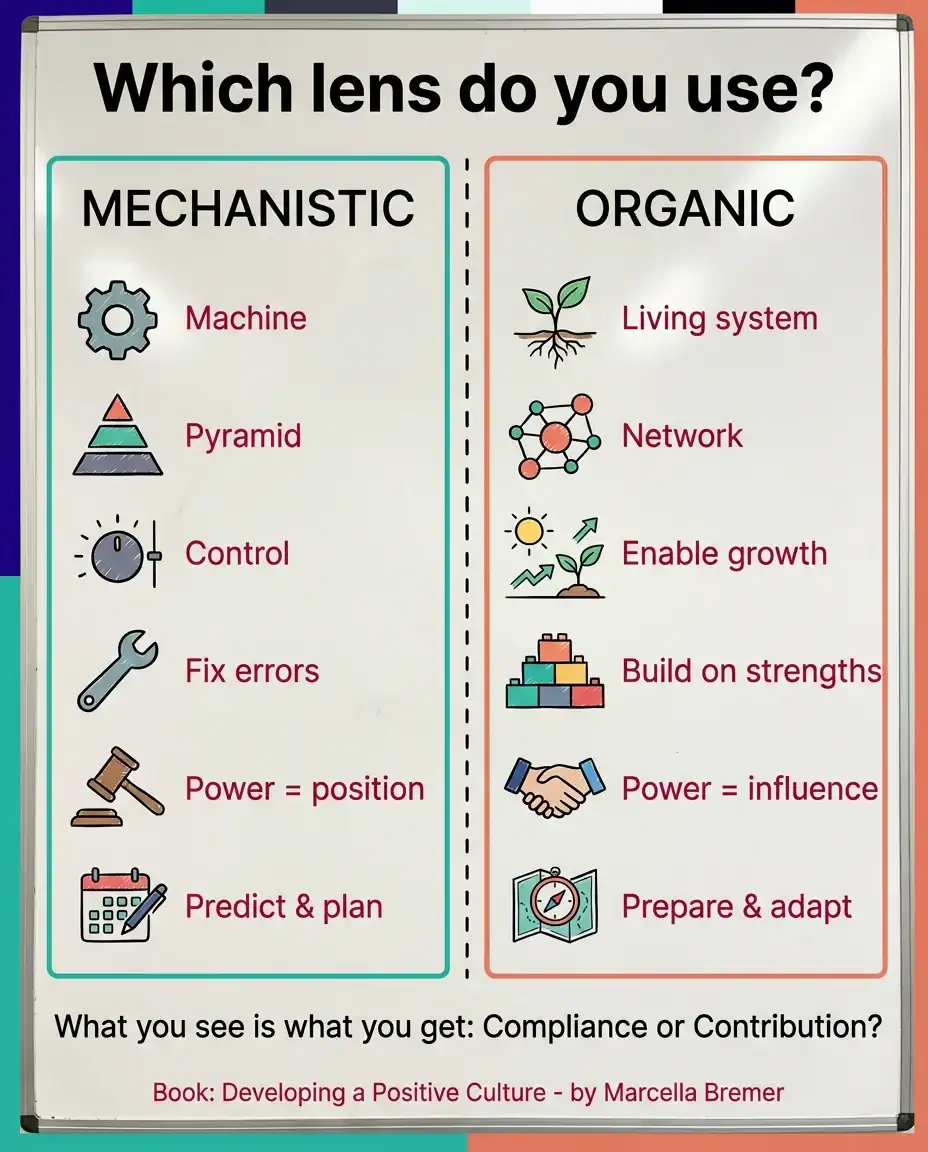
Most leadership problems aren’t behavior problems. They’re mindset problems. Because what you see is what you get. There are two lenses to see an organization. The traditional mechanistic mindset treats the organization as a machine: hierarchy, control, leaders as engineers fixing errors, and power based on position. The emerging organic...
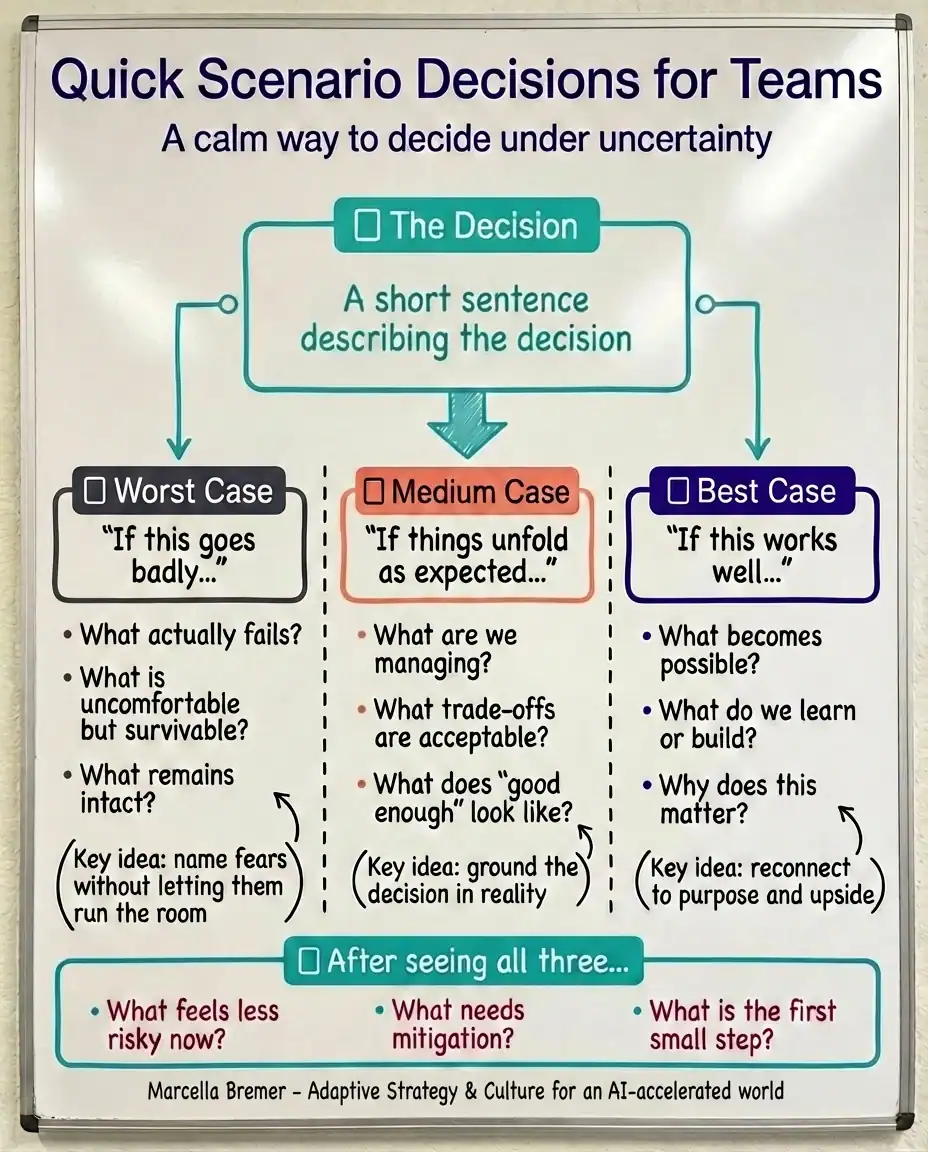
Decision-making is hard with multiple known and unknown factors at play. We have to deal with it: companies and individuals face more uncertainty in this accelerating age, and it’s not going away. Maybe you respond with endless analysis or premature commitment. Most leadership teams default to one of the two...
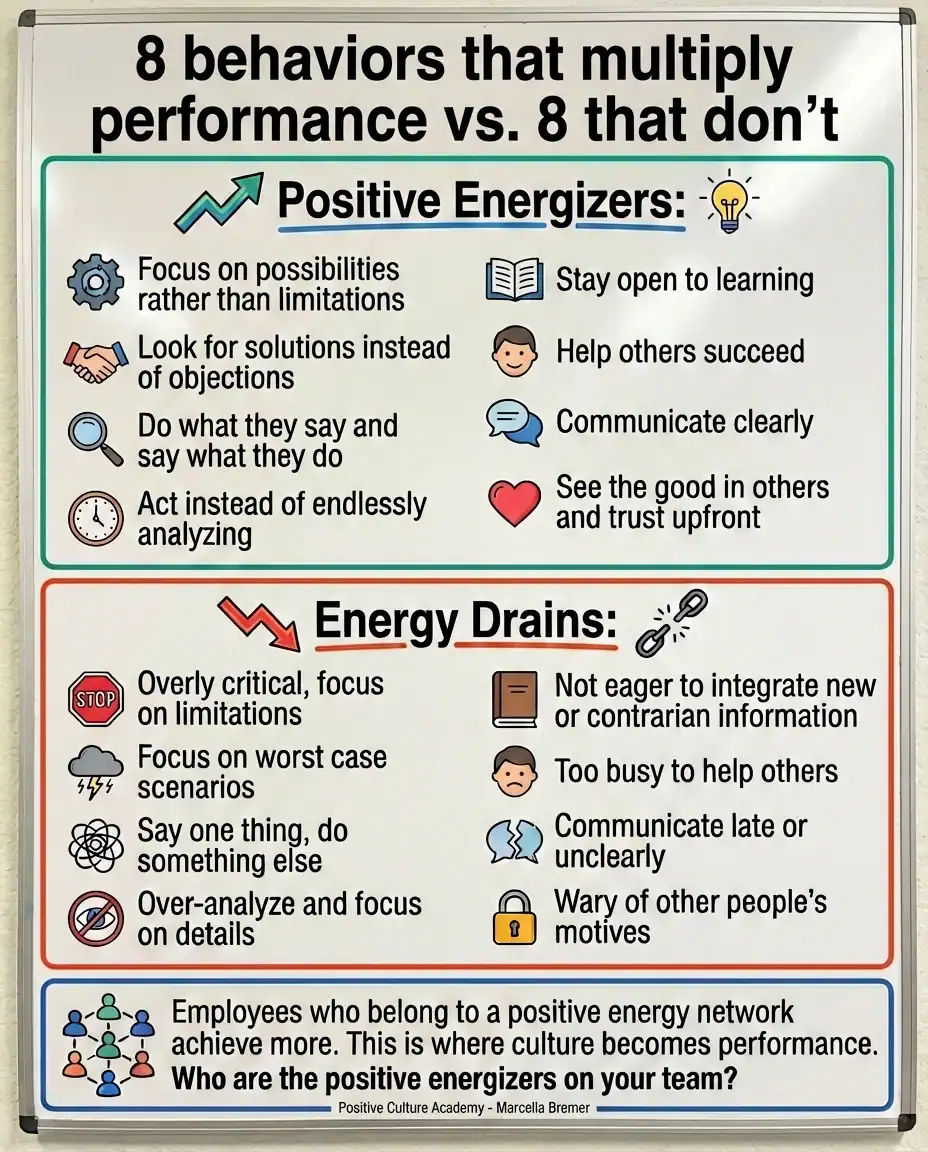
Some people multiply performance. Others weaken it. Most leaders underestimate which group they’re in. Researchers Baker, Cross, and Wooten describe people who act as energizers or energy drains. Not personality types. Behavioral patterns. These are learned behaviors, so let’s create positive, high-performing teams. What energizers do differently Energizers stimulate vitality...
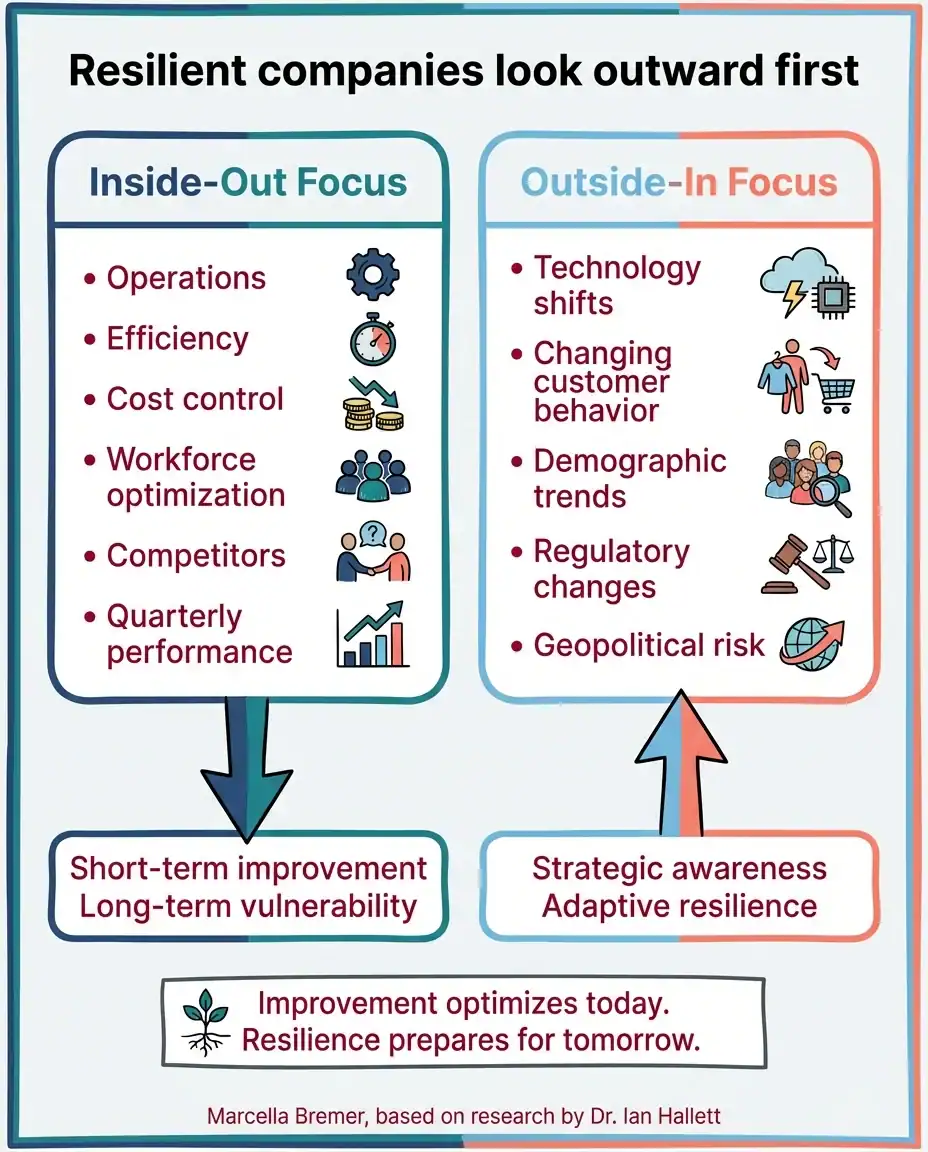
Most leaders think adaptation is a speed problem. Move faster. Decide quicker. Ship sooner. But what if the real problem isn’t speed? What if it’s attention? Technology changes exponentially. Organizations change more slowly. That gap is structural, and it doesn’t disappear just because you work harder. But speed isn’t what...
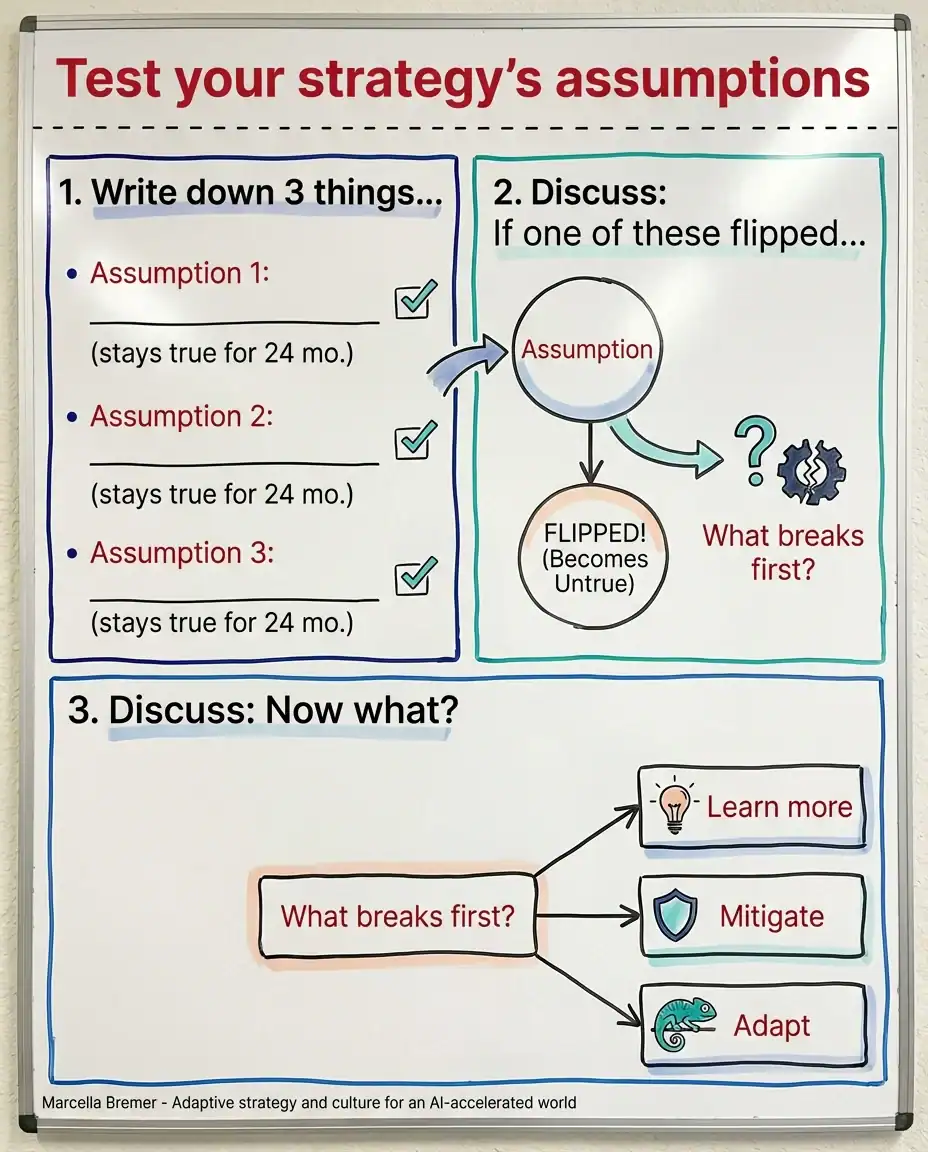
There is a kind of strategic failure that never announces itself. The team is capable. The plan is well-reasoned. Execution has been solid. And yet, something seems off…. Not because the strategy is badly designed. Because it was designed for a world that is changing. This is how most strategies...
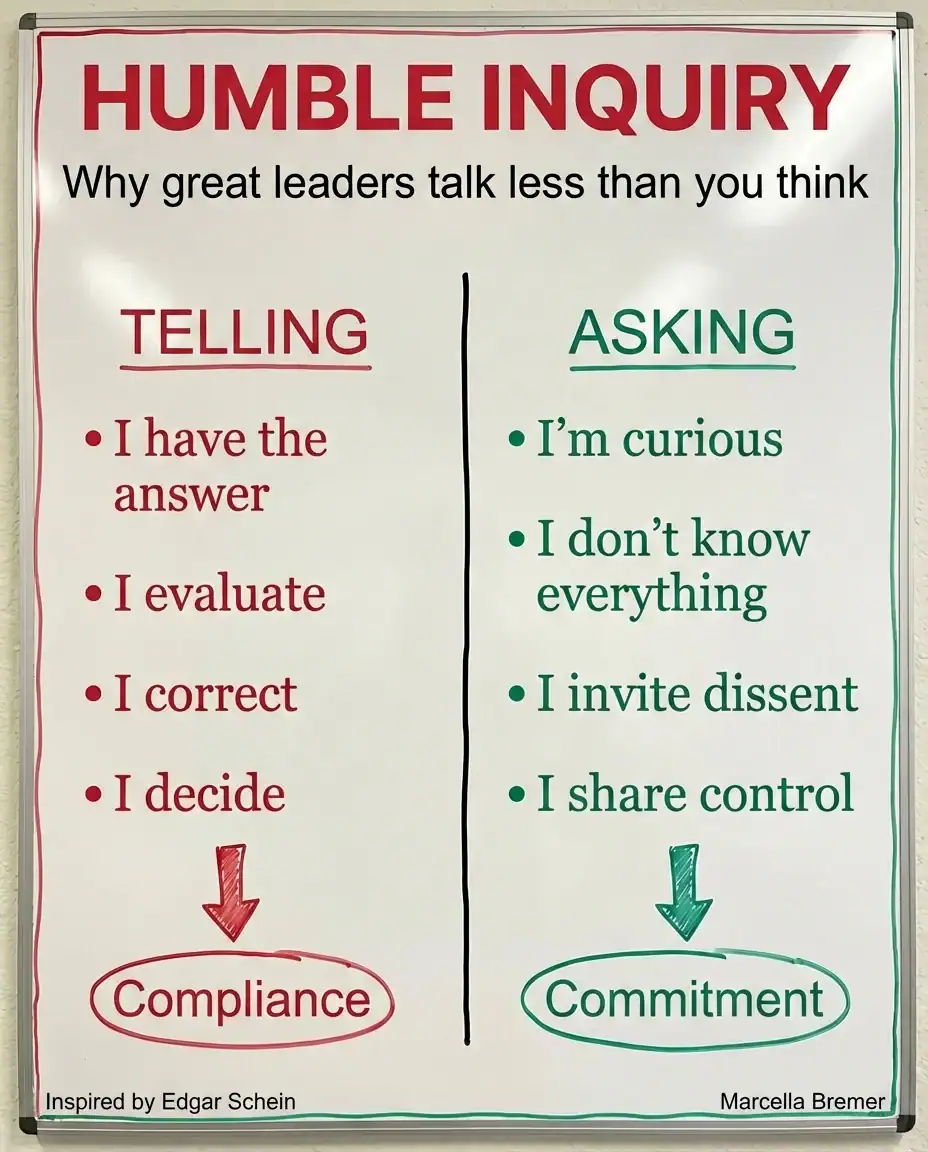
Do you often know the answer, and do you share that with your team? If you’re a leader, that might be a dangerous habit. Think about how most leadership promotions work. You promote the best engineer. The best salesperson. The best performer. Next, these leaders keep solving. They keep telling...

Every ‘yes’ to the urgent is a ‘no’ to the strategic. Most leaders know this in theory. Far fewer act on it, and the gap between knowing and doing has consequences well beyond a cluttered calendar. My LinkedIn post sparked rich conversation about organizational design, systemic pressure, and a fundamental...

Based on expert speculations, what can we expect of the decades ahead? Let’s learn from Nouriel Roubini (professor emeritus of economics at New York University’s Stern School of Business) and Hamish McRae (economic journalist). Here’s part 2. For this look into possible futures, I used Roubini’s book Megathreats (published 2022)...

What are your plans for 2026? And how are you going to implement them? As the enthusiasm for the New Year’s resolutions wears off, you might go back to “business as usual”. This goes for both people and organizations. We’re so busy with daily production, that it is hard to...

Happy New Year! January always brings fresh energy and new plans. But it also brings new uncertainties. Is your organization ready for the new year? Are you? Do you cherish a learning, agile culture? How resilient are you? Can you deal with sudden changes – or is it time to...

Is your organization planning for 2026? Do you have a learning, agile culture? Can you deal with sudden changes – or is it time to develop your culture, your strategy, and your change-readiness for the future that lies ahead? Many organizations can spend 20 weeks in 2026 managing crises they...

Is your organization ready for the new year? Are you? Do you cherish a learning, agile culture? How resilient are you? Can you deal with sudden changes – or is it time to develop your culture, your strategy, and your change-readiness for the future that lies ahead? Let’s make some...

Let’s anticipate possible futures so that we and our organizations can prepare and adapt. Research shows that future-prepared organizations are much more profitable than the average. Not only do they do better in the possible futures, but also in the present. Boost your own and your organization’s leadership, culture, change...

It is impossible to predict the future. But you can anticipate multiple, plausible futures (scenarios) based on megatrends that run for decades and cyclical developments in many complex systems. Based on informed expert speculations, what might we expect of the decades ahead? It depends on the expert. Let’s see what...

Let’s anticipate possible futures so that we and our organizations can prepare and adapt. Research shows that future-prepared organizations are much more profitable than the average. Not only do they do better in the possible futures, but also in the present. Boost your own and your organization’s leadership, culture, change...

Is your small or medium-sized organization ready for unexpected shocks and opportunities? Let’s learn from the research on organizational resilience by Denyer & Sutliff with the UK’s National Preparedness Commission, Deloitte and Cranfield University. They found seven resilience practices that succesfull organizations use. Small or medium-sized enterprises (SMEs) can adopt...
